
The historical evolution of synthetic leather

Plastic products that simulate the composition and structure of natural leather and can be used as substitute materials. Synthetic leather is usually made of impregnated non-woven fabric as the mesh layer and microporous polyurethane layer as the grain layer. The front and back sides are very similar to leather, and have a certain degree of air permeability, which is closer to natural leather than ordinary artificial leather. It is widely used in making shoes, boots, bags and balls.
In 1964, DuPont of the United States first produced synthetic leather under the name of Coffin. This kind of synthetic leather uses synthetic fiber non-woven fabric as the base, with fabric reinforcement in the middle, and impregnated with a polyurethane elastomer solution similar to the composition of natural leather collagen fibers. The projectile solidifies in water, and its solvent is replaced by water, thus forming tiny holes in the projectile. These holes are connected to each other, forming a tough and elastic microporous layer from the surface and the inside, which becomes the surface layer of the synthetic leather and forms a whole with the base. Due to the capillary action formed by the interweaving of non-woven fibers, it is conducive to the absorption and migration of moisture, so synthetic leather can partially show the breathing characteristics of natural leather. In 1965, Japan developed a synthetic leather with a two-layer structure and eliminated the intermediate fabric to improve the softness of the finished product. In modern times, there are many varieties of synthetic leather. In addition to the common characteristics of synthetic fiber non-woven fabric base and polyurethane microporous surface layer, various synthetic leathers have different non-woven fiber varieties and processing techniques. Such as using styrene-butadiene or nitrile latex base impregnating liquid to obtain a special combination between non-woven fiber and polymer; different structural levels, including 3-layer, 2-layer and single-layer structure; surface embossing and leather tanning process , Manufacturing suede synthetic leather, etc.
In 1994, it introduced internationally advanced production equipment and technology from Italy, South Korea, and Taiwan. With rich experience and technology, it produces and manages medium and high-end artificial leather, synthetic leather and polyurethane resin. The products produced and operated are of high quality and diverse colors. They are widely used in men's and women's shoes, sports shoes, casual shoes, labor insurance shoes, work shoes, fashion shoes, sofas, furniture, massage chairs, leather goods, leather bags, handbags, wallets , Certificates, stationery, balls and other sporting goods, gloves, belts, clothing and other processing and production decoration; fully meet the needs of modern life, give vitality and vigor.
In 2008, after long-term research, the process technology of dry synthetic leather and wet synthetic leather was successfully developed, ending the monopoly of domestic and foreign giants in the synthetic leather industry. Waterborne polyurethane technology was used in the fields of garment leather and sofa leather. The production of synthetic leather suitable for high-end products has injected new vitality into China's synthetic leather industry.
 Shanghai fair
 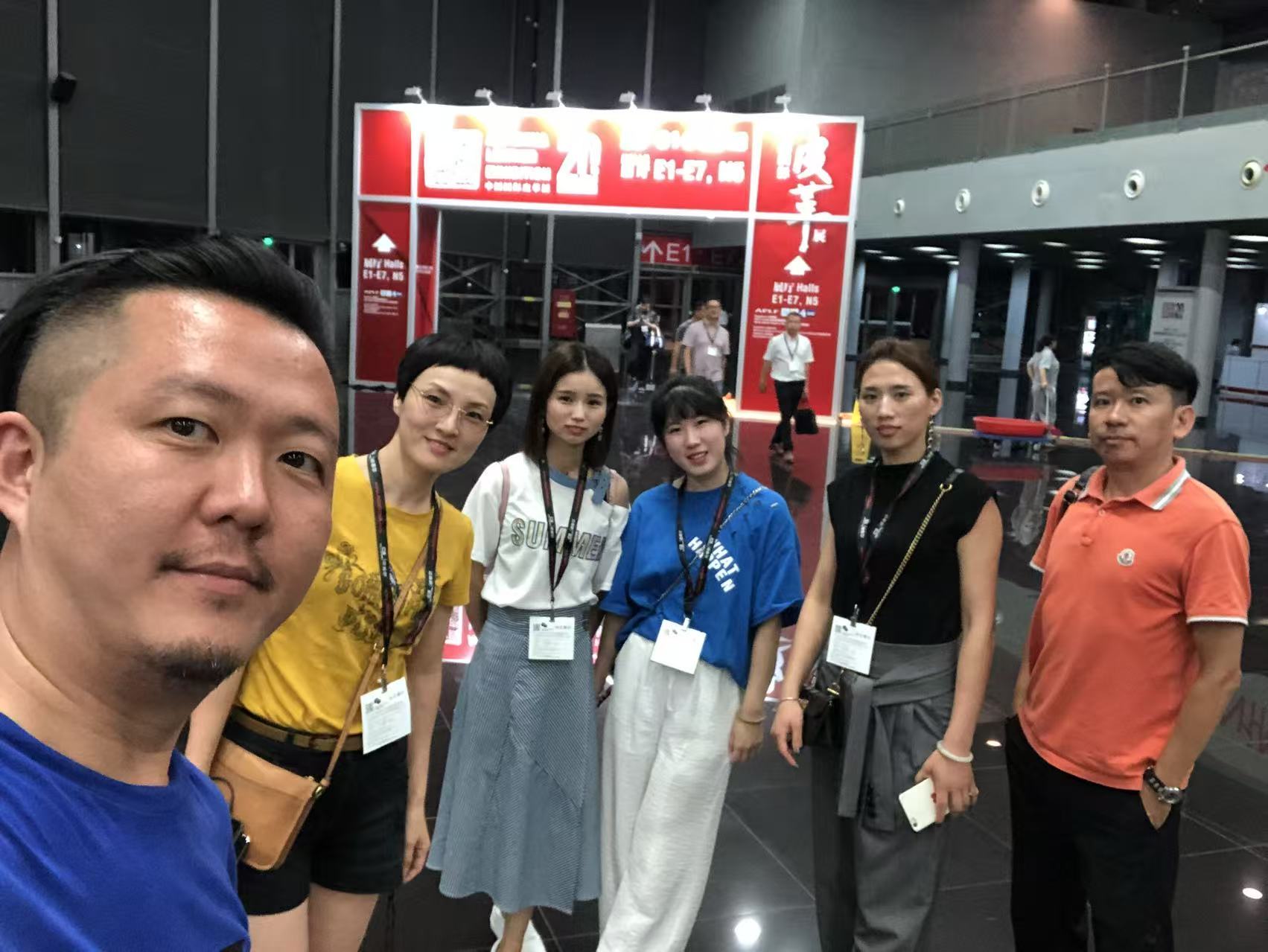 Shanghai fair
  office celebration
  office celebration
  Our office
 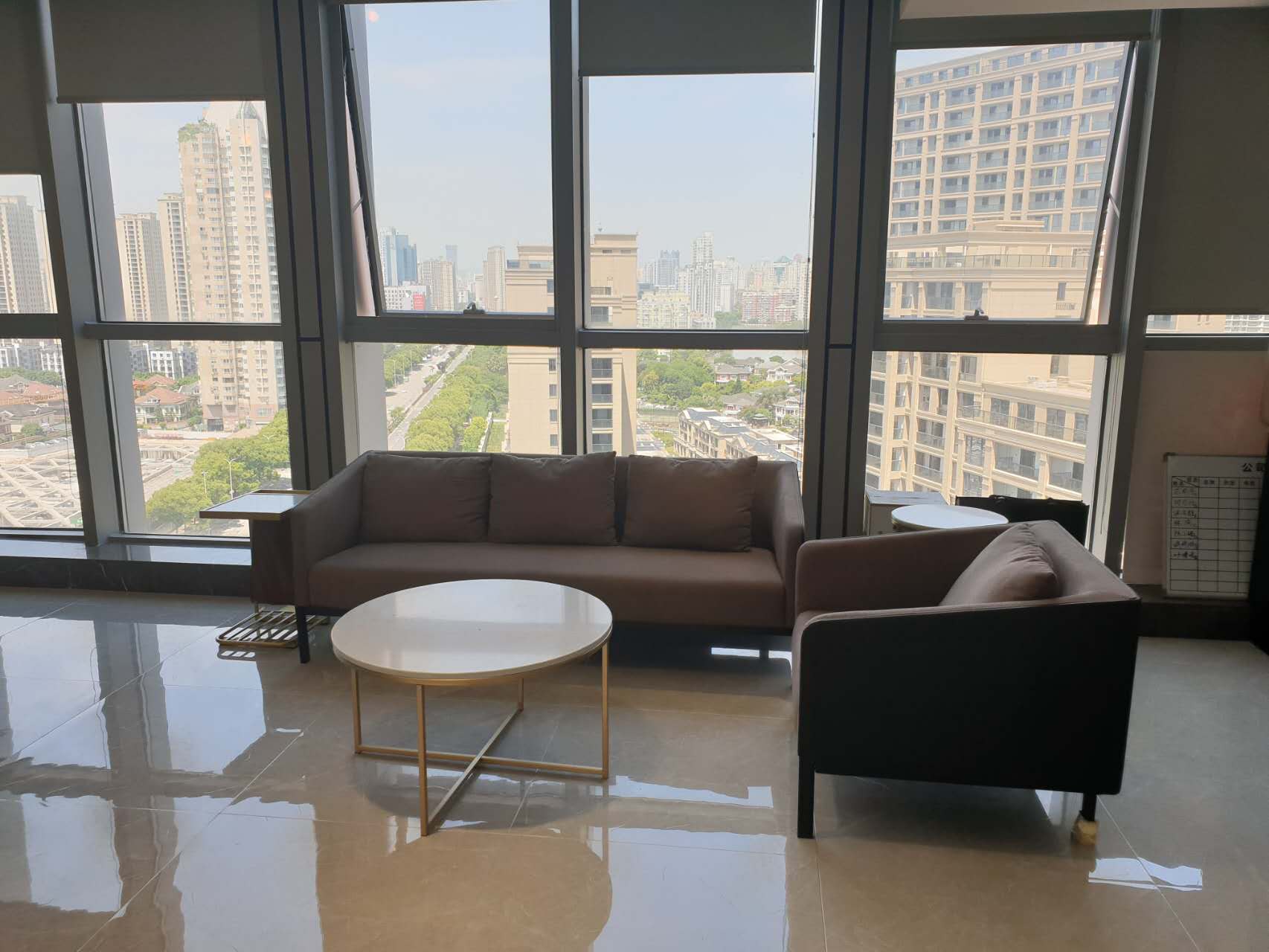 Our office
  Our office
 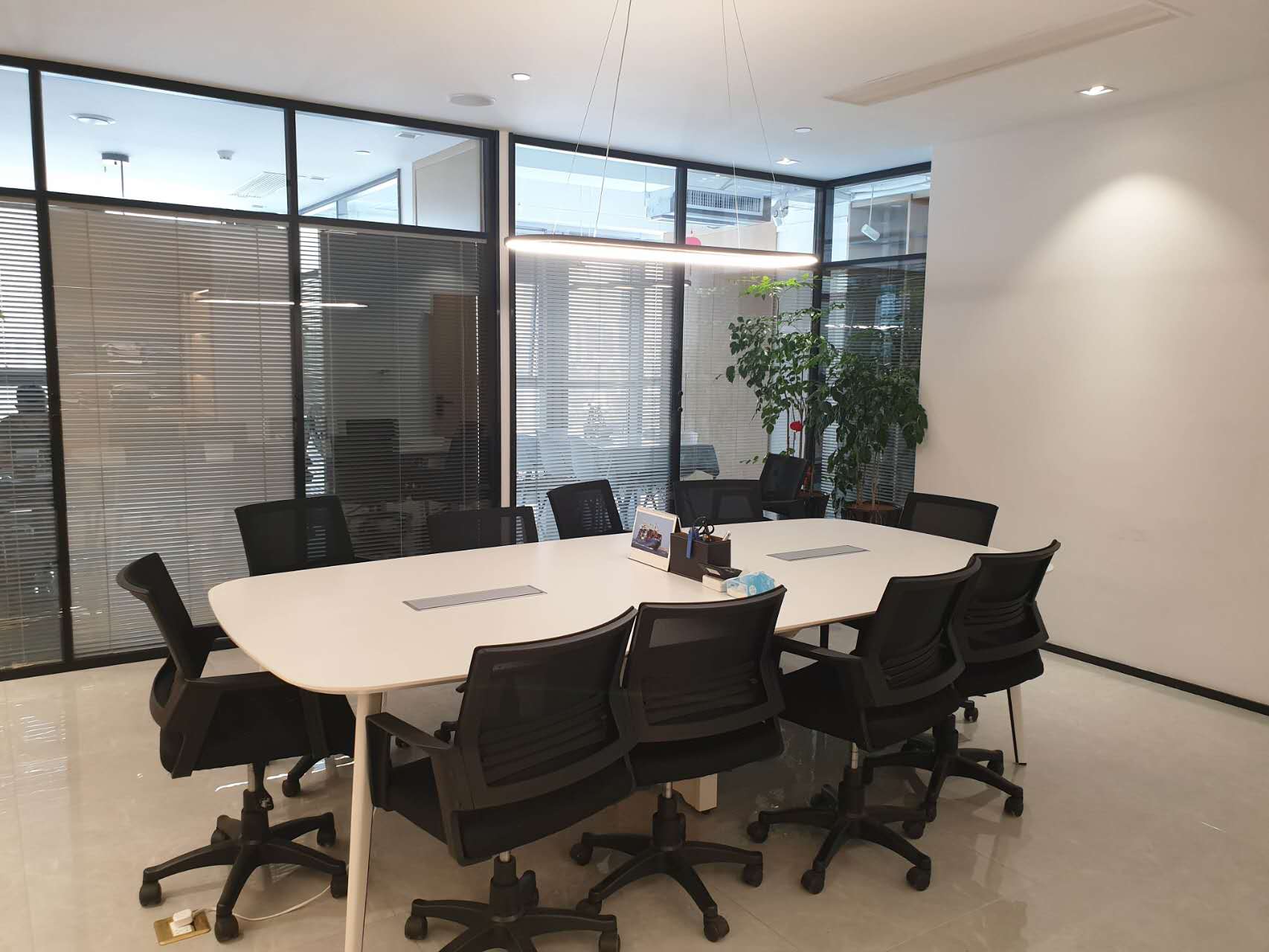 Our office
 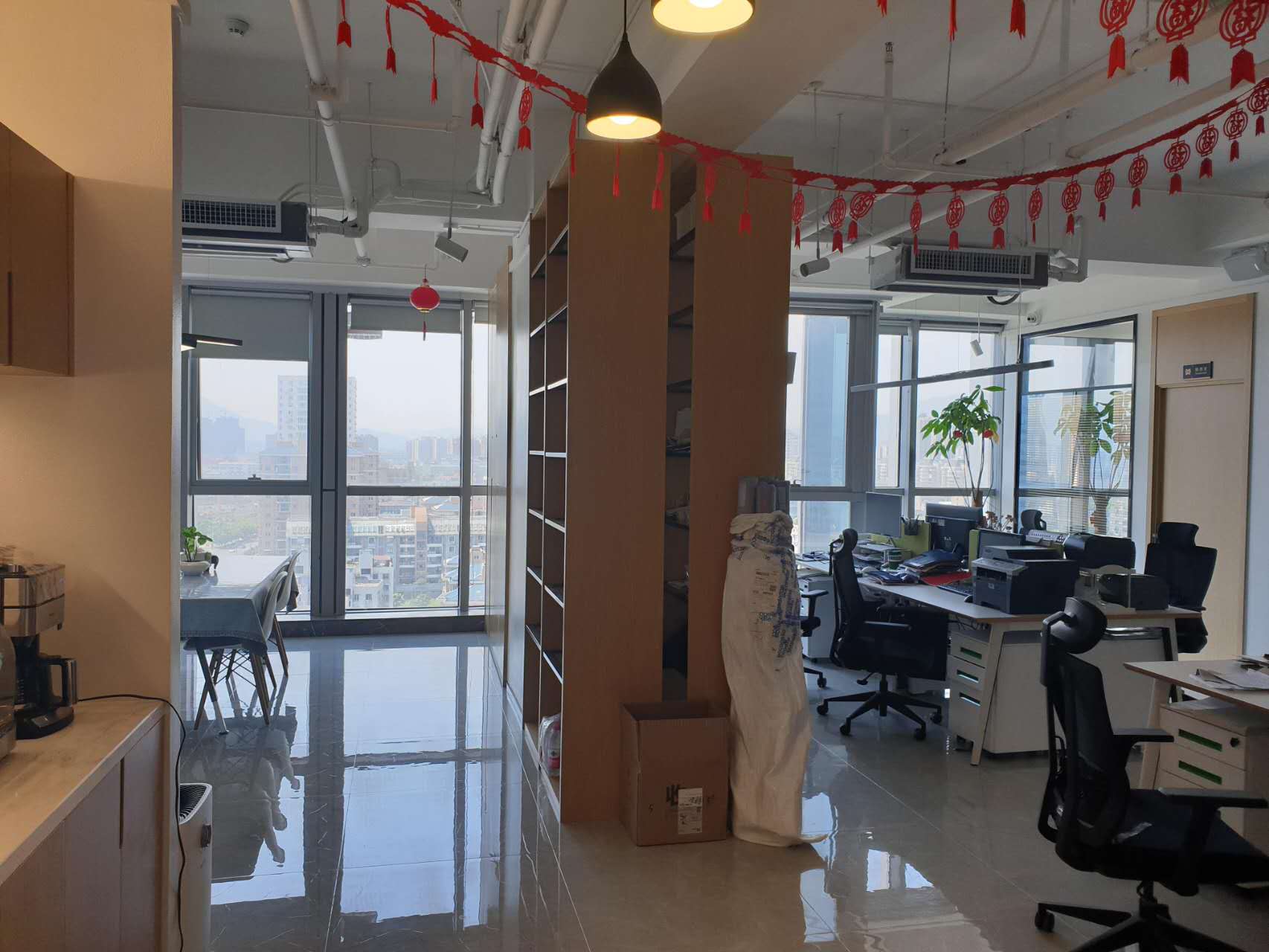 Our office
 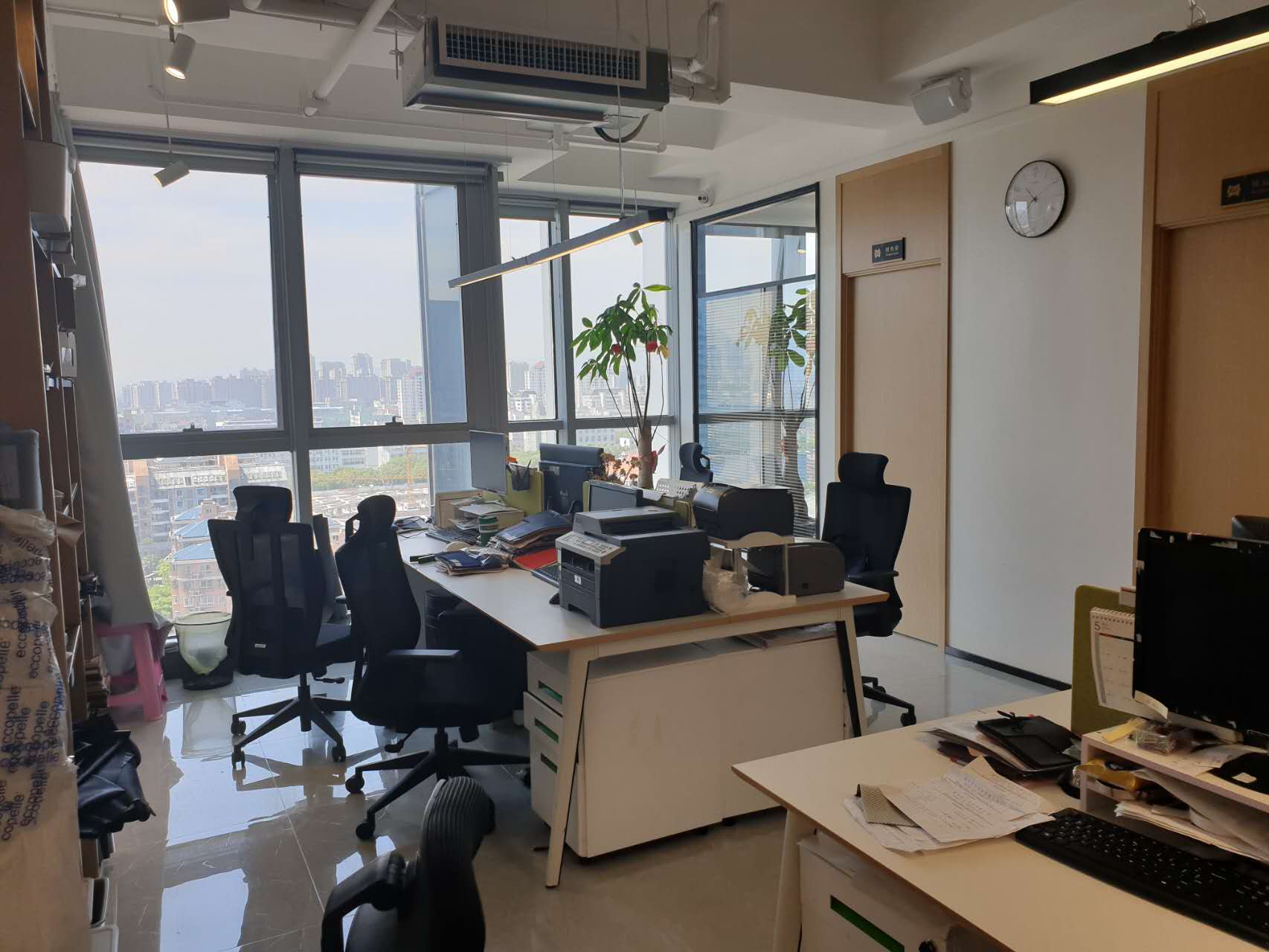 Our office
 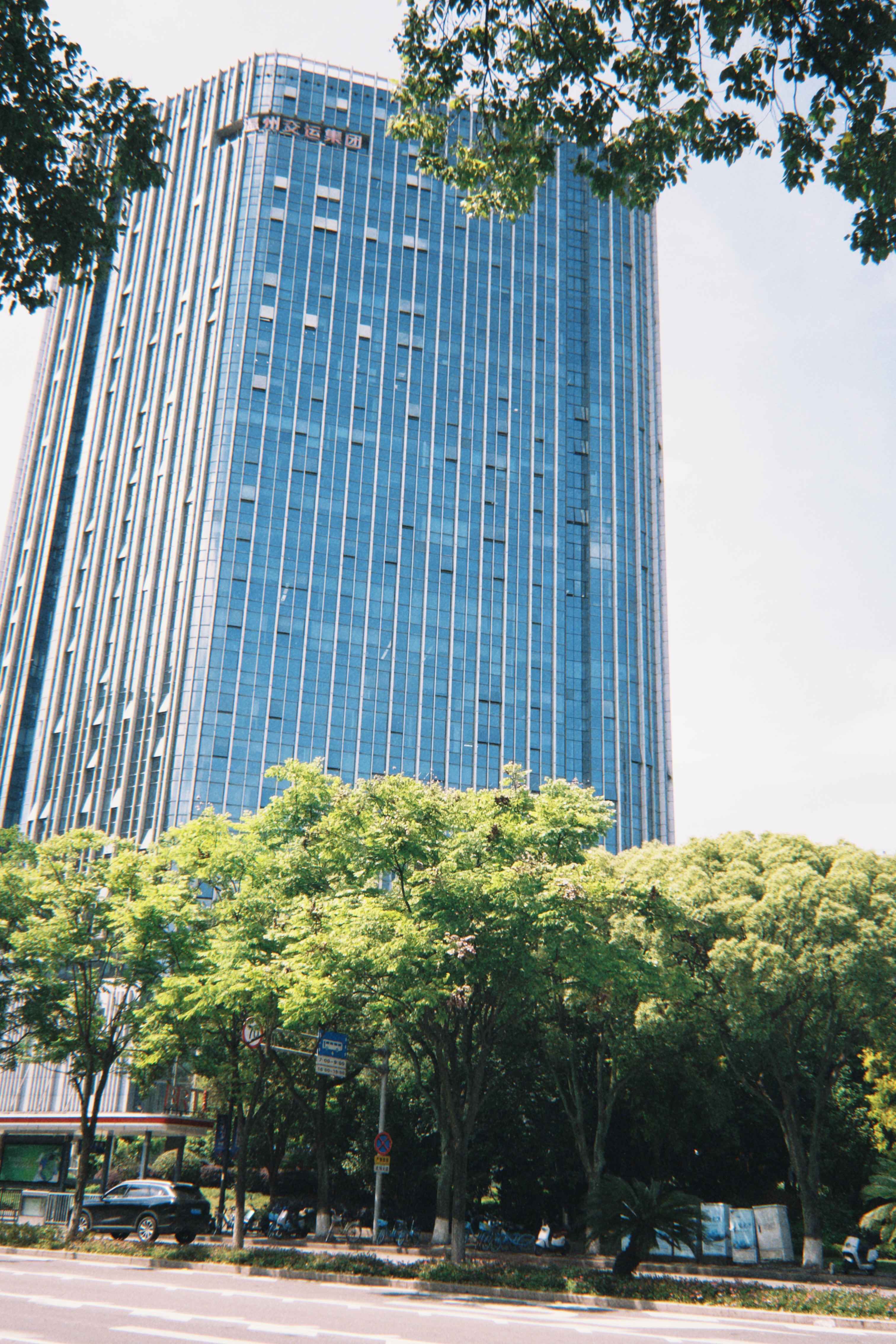 Our office
  Our office
  Our office
  Our office
  Artificial Leather
  Synthetic leather challenges leather
 - Industrial development of synthetic leather
- The difference between artificial leather and leather on the market
- Application of coated fabric
- Types of coated fabrics