
Technical development of synthetic leather

Plastic products that simulate the composition and structure of natural leather and can be used as substitute materials. Synthetic leather is usually made of impregnated non-woven fabric as the mesh layer and microporous polyurethane layer as the grain layer. The front and back sides are very similar to leather, and have a certain degree of air permeability, which is closer to natural leather than ordinary artificial leather. It is widely used in making shoes, boots, bags and balls.
In the 1980s, there were many varieties of synthetic leather. In addition to the common characteristics of synthetic fiber non-woven fabric base and polyurethane microporous surface layer, each variety also differed. For example, non-woven fiber types and processing techniques are different; other substrate impregnating liquids, such as styrene butadiene or nitrile latex, are used to obtain special combinations between non-woven fibers and polymers; different structural levels, three layers, Two-layer structures coexist, and single-layer structures are often used to make clothing. In order to obtain different surface styles, in addition to the use of pattern roll embossing and leather kneading process to make smooth leather, the surface of the microporous layer is also ground to make it velvety, which is called suede synthetic leather. In order to prevent the embossing of the flower roller from destroying the microporous structure, the transfer coating method (see artificial leather) is also used to make dry and wet synthetic leather, which is mostly used to make bags and decorations.
In order to meet the ever-increasing environmental protection requirements at home and abroad and the increasing health and safety needs of consumers, ecological synthetic leather is increasingly favored. As the internationalization of the market accelerates, the output of clothing leather, luggage leather, furniture and interior decoration leather will maintain a steady growth. Mid-to-high-end, high-value-added microfiber footwear synthetic leather and breathable clothing synthetic leather will grow rapidly as they develop and expand their application areas. The synthetic leather industry has a promising future. High-tech wet PU breathable leather and microfiber substrate will be the development direction of PU leather and synthetic leather in the future.
As an emerging industry with broad development prospects, the synthetic leather industry is increasingly favored by investors. With the development and progress of science and technology, high-tech technologies such as ultrasonic technology, electronic technology, microwave and high-voltage technology will be widely used in the field of synthetic leather. In addition, people are paying more and more attention to low-carbon environmental protection, and the synthetic leather industry will pay more attention to cleaner production and gradually develop in the direction of ecological synthetic leather. With the increasing market demand, the gap between supply and demand is increasing, and my country's synthetic leather industry is ushering in unprecedented development opportunities.
 Shanghai fair
 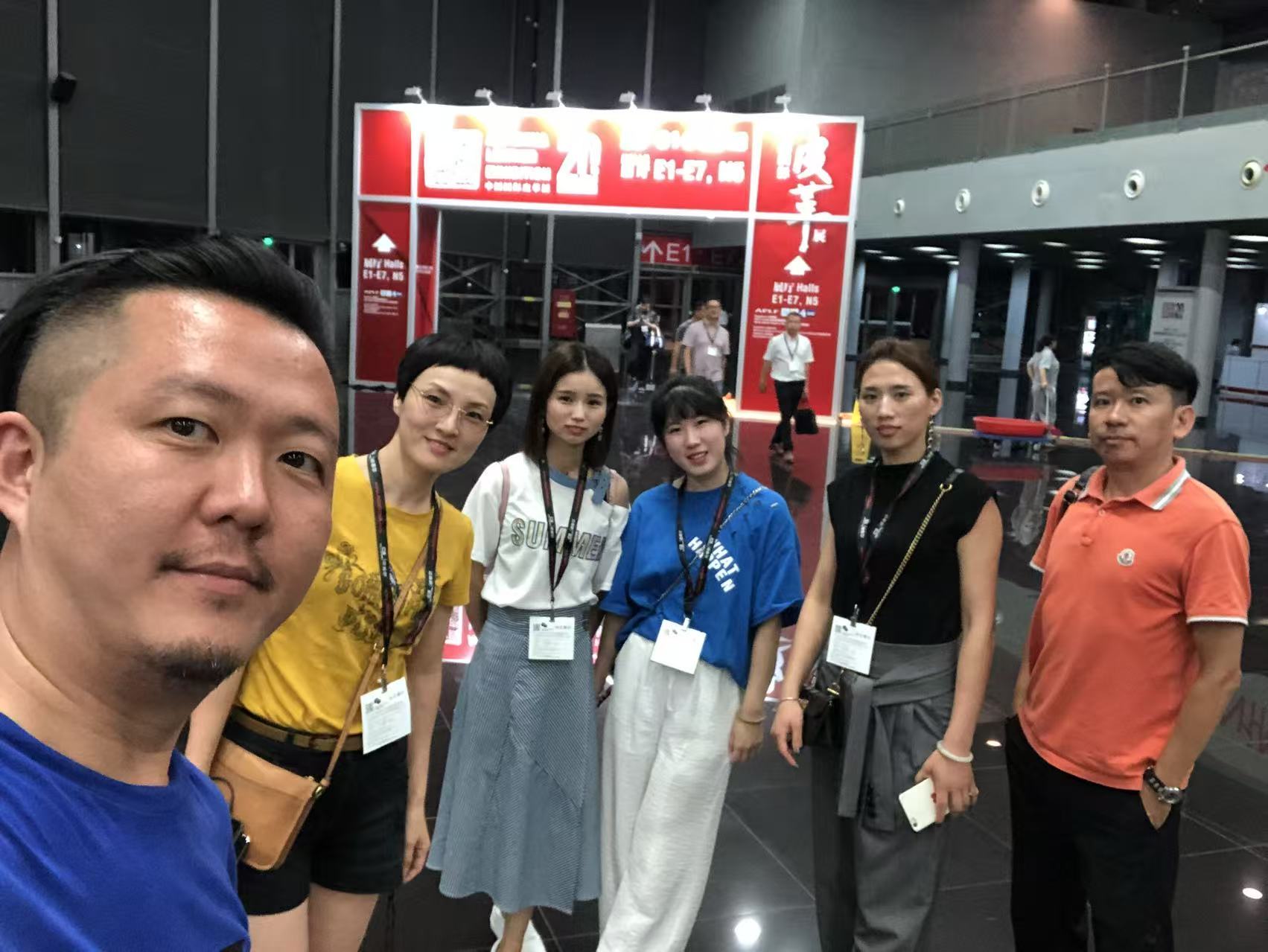 Shanghai fair
 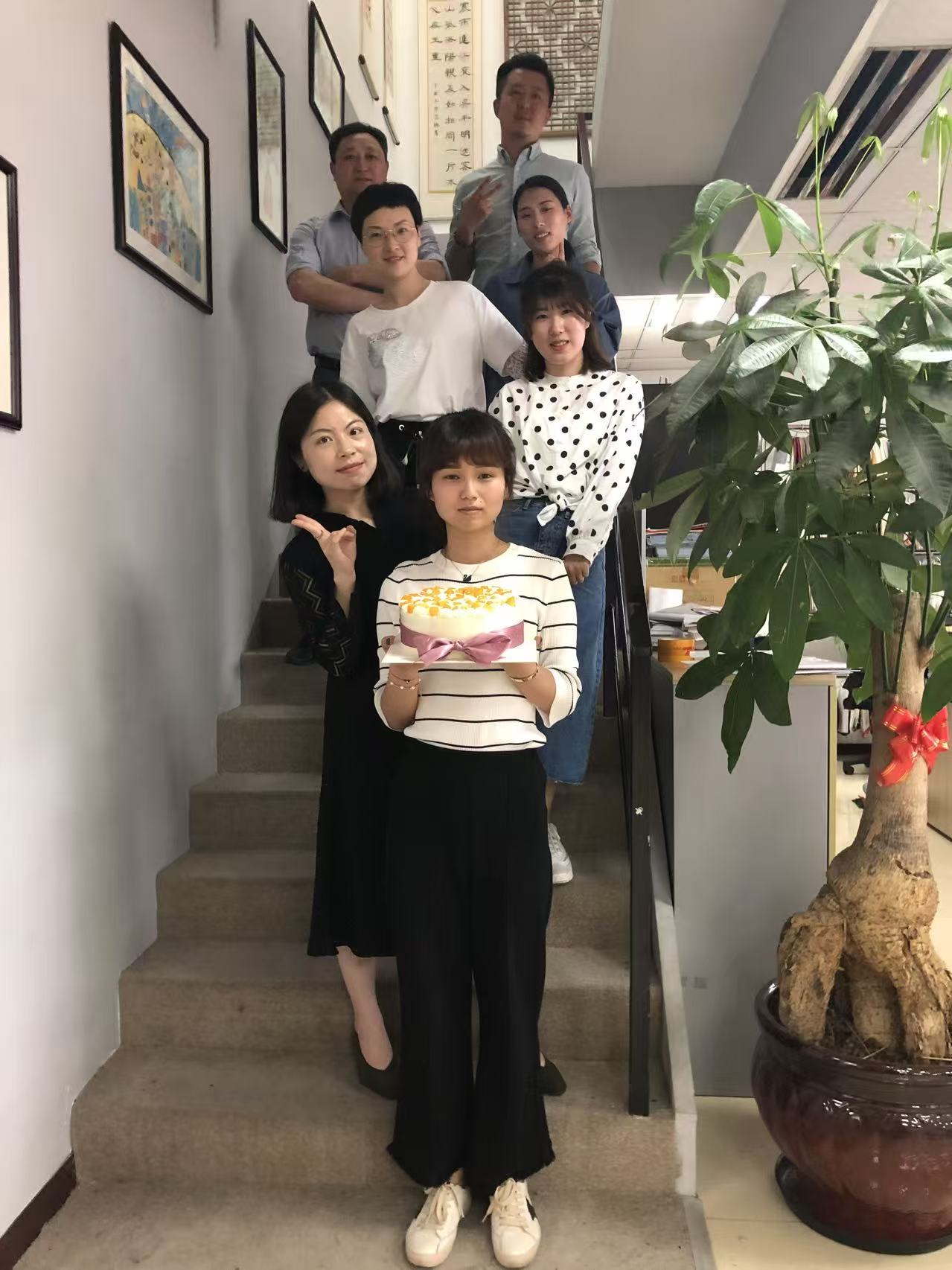 office celebration
  office celebration
  Our office
 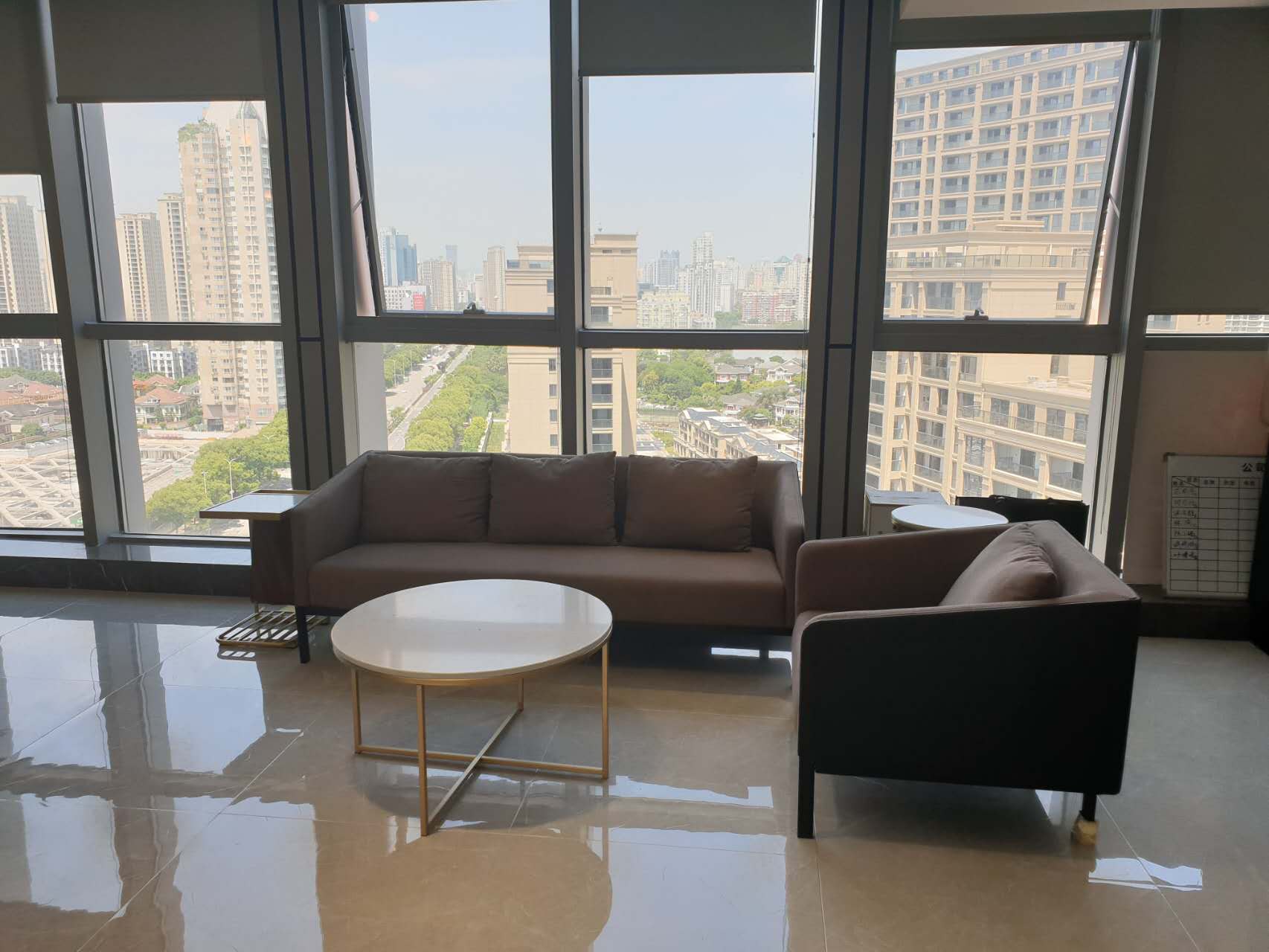 Our office
  Our office
 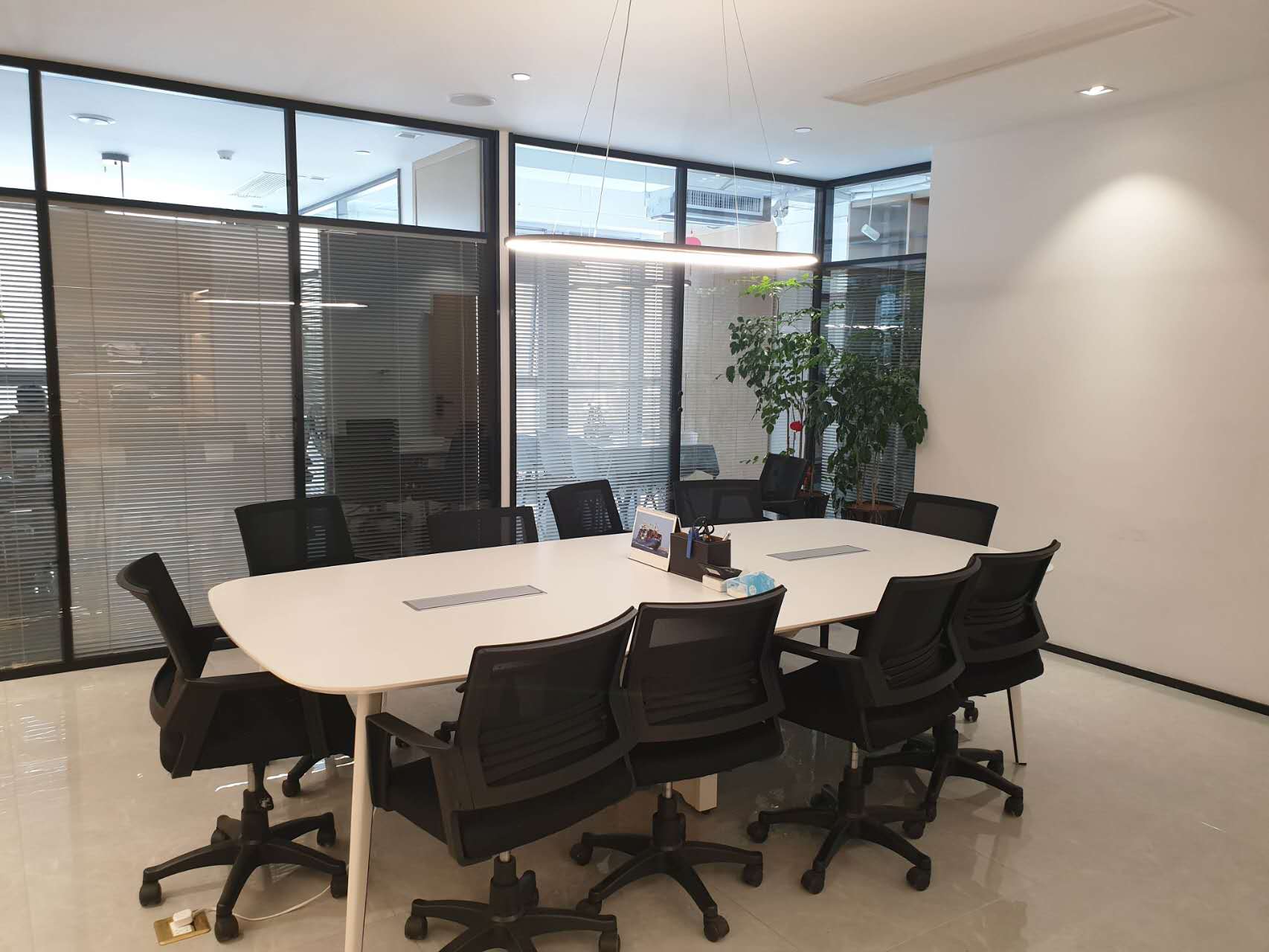 Our office
 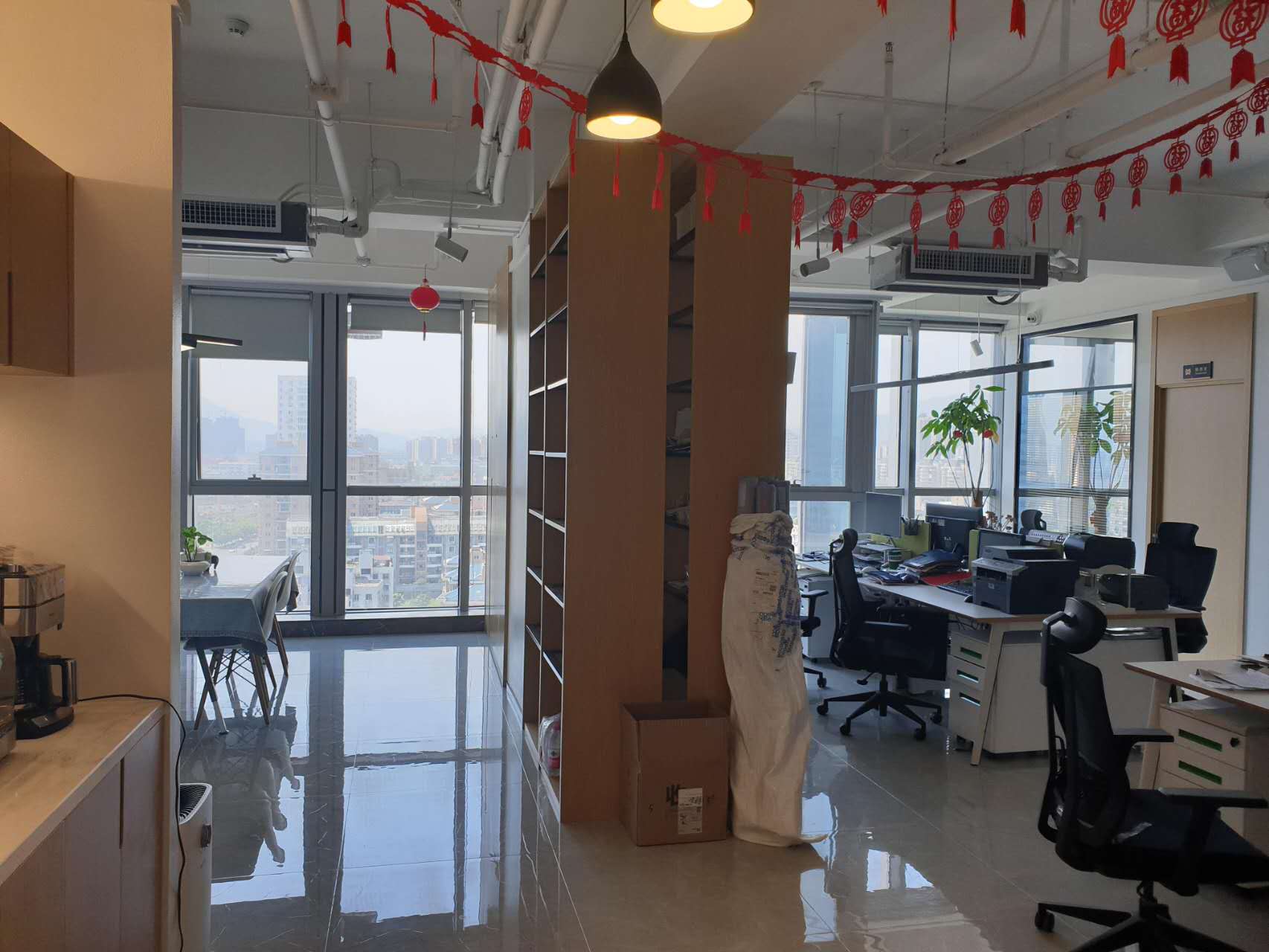 Our office
 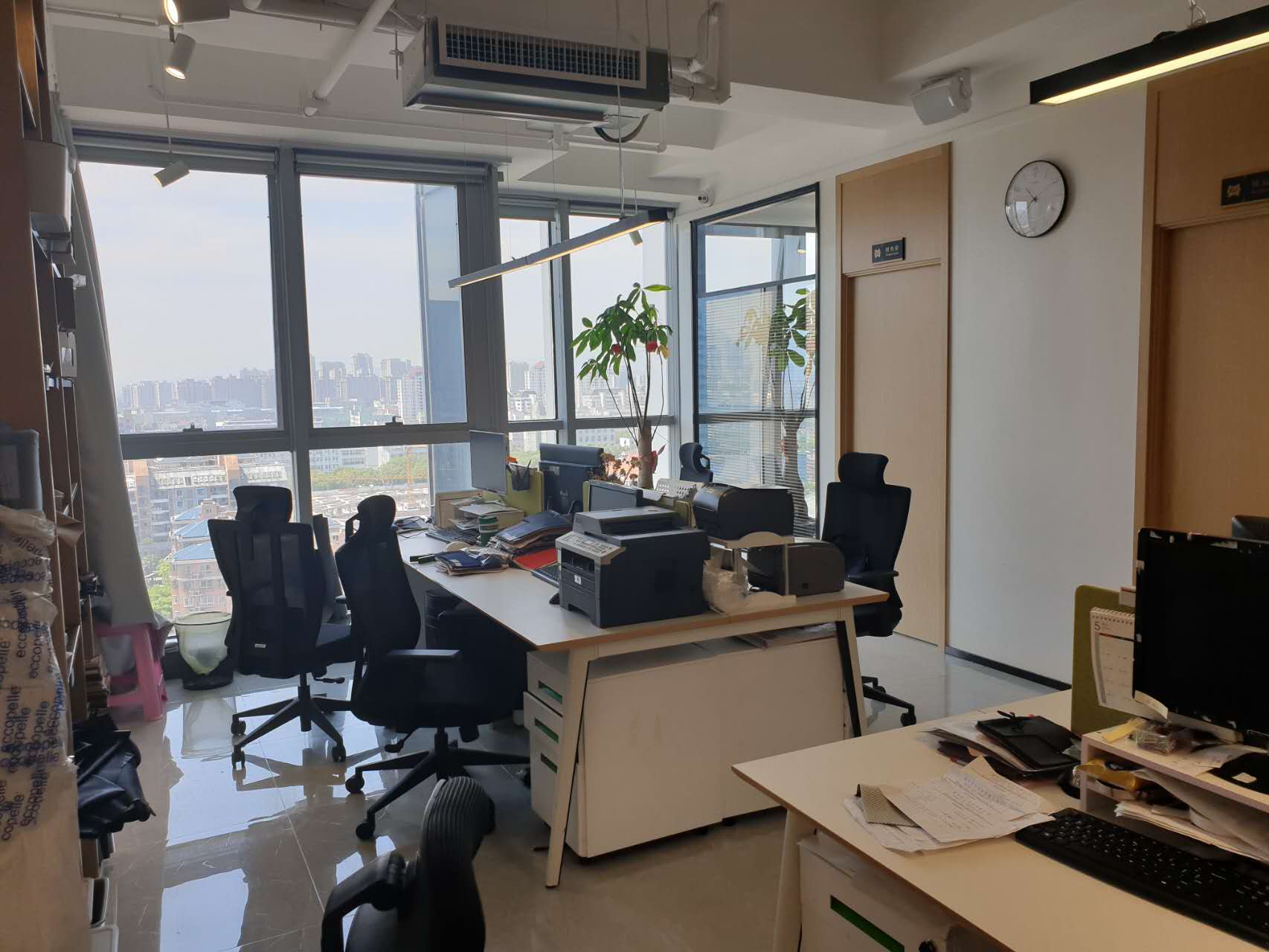 Our office
 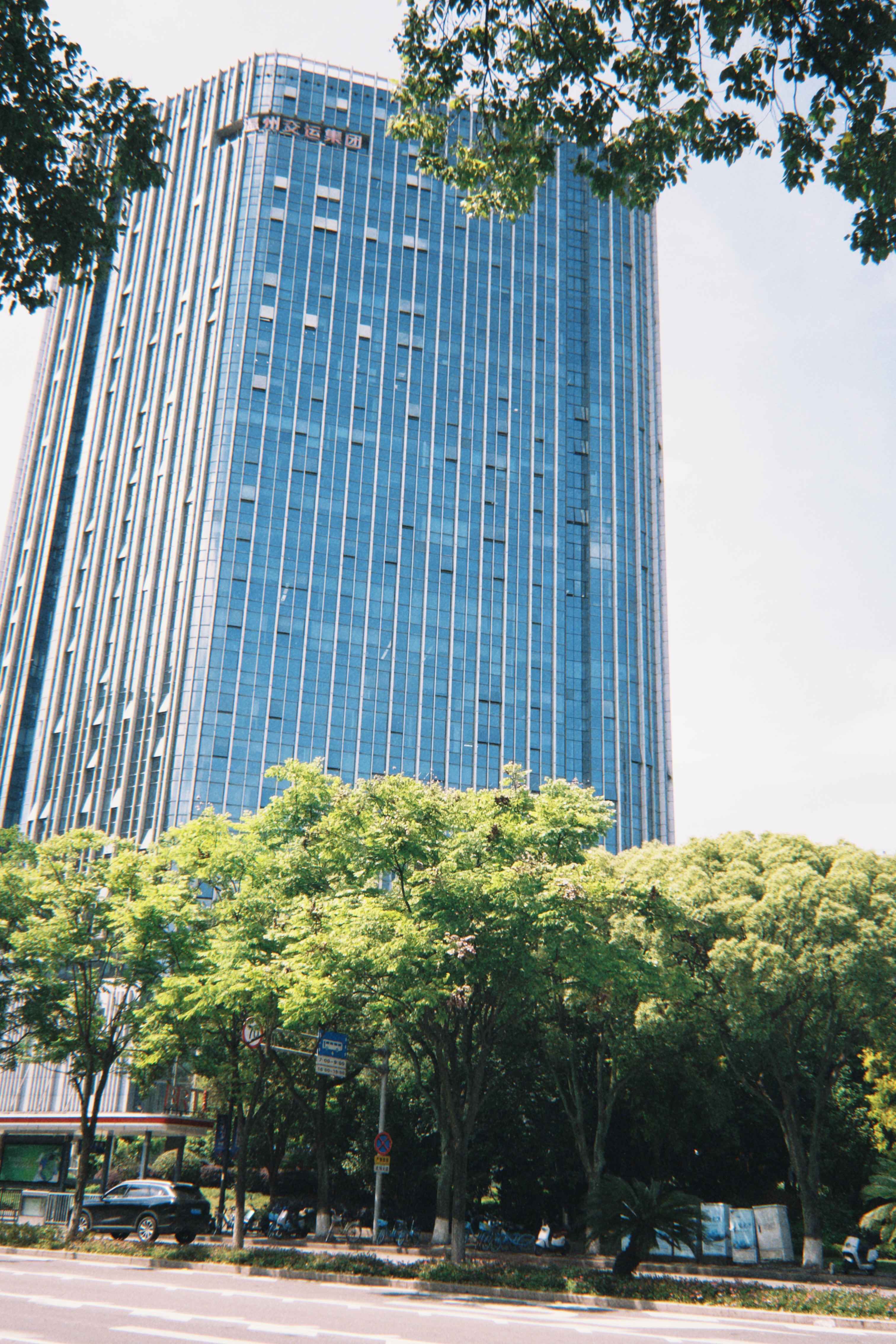 Our office
  Our office
  Our office
  Our office
  Artificial Leather
  Synthetic leather challenges leather
 - Industrial development of synthetic leather
- The difference between artificial leather and leather on the market
- Application of coated fabric
- Types of coated fabrics